

Best Multivitamins for Perimenopause: 3 Key Picks
Why doesn't the same multivitamin work equally well for everyone in perimenopause? The short answer is that people usually shop for one product while dealing with several different questions at once. You might want support for focus at work, bone health in midlife, or a routine that fits changing weight-management habits. Those are different goals, and a single “menopause” label doesn't tell you whether the formula matches any of them.
That's why this guide looks at three catalogue options by intended use, not by making unsupported promises that any product treats perimenopausal symptoms. UK guidance repeatedly puts the spotlight on baseline nutrition, especially vitamin D and calcium, rather than suggesting that a general multivitamin can reliably fix hot flushes, sleep disruption, or mood changes, as explained in this Longevity Medical Institute hormone guide. As you read, keep a simple label checklist in mind: B vitamins, vitamin D, magnesium, iron and phytoestrogens. Then check the full label, compare it with your diet and any existing supplements, and get professional advice before adding nutrients such as iron.
Table of Contents
- 1. BrainQuick Brain Support Supplement (30 Capsules)
- 2. Bonemax Collagen 400mg Supplement for Bone Health - 60 Capsule
- 3. METABURN 60 Capsules
- Top 3 Perimenopause Supplement Comparison
- Match the Formula to Your Routine
1. BrainQuick Brain Support Supplement (30 Capsules)

What if the product you need in perimenopause is not a broad multivitamin at all, but a more targeted formula for mental sharpness?
BrainQuick Brain Support Supplement (30 Capsules) sits in that targeted category. The catalogue describes it as a natural, vegetarian vitamin and mineral blend intended to support brain power, cognitive function, focus, and mental energy. That makes it a different type of purchase from a bone-focused formula or a general nutrient top-up.
This distinction matters. Perimenopause can bring several concerns together at once, but they do not all point to the same supplement choice. If your main frustration is losing your train of thought, struggling to concentrate at work, or feeling mentally flat by mid-afternoon, a brain-support product may match that priority more closely than a standard menopause-labelled multivitamin.
A helpful way to frame it is to separate baseline nutrition from goal-specific support. Baseline nutrition is the foundation. It covers nutrients you may need regardless of symptoms, such as vitamin D or magnesium. Goal-specific support sits on top of that foundation and aims at a narrower priority, such as focus.
Why a brain-focused formula may appeal
Perimenopause shopping often gets muddled because “brain fog” is a loose phrase. It can mean forgetfulness, mental fatigue, poor concentration, or feeling less switched on than usual. A product like BrainQuick is positioned for that focus-and-clarity side of the conversation, not as a treatment for the full range of perimenopausal symptoms.
That is why the label matters more than the front-of-pack promise.
If you already take a daily multivitamin, compare the two products line by line before adding this one. Brain formulas can overlap with existing supplements, especially around B vitamins and minerals. For a wider look at daily habits that support concentration, Vitamin Planet also has a guide on simple ways to increase your brain power in minutes.
What to check before adding it to your routine
A supplement label works a bit like an ingredients map. It shows whether the product is filling a genuine gap or repeating what you already take.
- B vitamins: These are commonly used in energy and cognitive-support formulas. Check whether BrainQuick includes a full spread or only selected B vitamins, then compare that with any multivitamin you already use.
- Vitamin D: A brain-focused formula may include it, but it may not provide the amount you want from a general midlife nutrition point of view. This is one of the first things to verify.
- Magnesium: Look at the amount per serving, not just whether it appears on the label. Small amounts may contribute to the formula without replacing a separate magnesium product if that is already part of your routine.
- Iron: Be cautious here. Some people in perimenopause still have heavy periods and wonder about iron, but extra iron should be based on need and professional advice, not guesswork.
- Phytoestrogens: If you are specifically looking for soy isoflavones or similar plant compounds often marketed for menopause support, check the panel carefully. A focus formula may leave them out because that is not its main job.
One practical point is easy to miss. A targeted supplement can be useful without being complete. BrainQuick may suit someone who wants support aimed at concentration, but it should not be assumed to cover broader priorities such as bone health, calcium intake, or every nutrient discussed in menopause guidance.
Where BrainQuick fits best
This formula is likely to make the most sense for someone choosing by priority rather than by label. If your first question is “How can I support focus?”, a brain-support supplement is a logical category to examine. If your first question is “Am I covering the basics for midlife nutrition?”, you would still need to review the full nutrient panel and your wider routine.
That measured approach lines up with current menopause advice. General supplements can help cover gaps in the diet, but they do not reliably solve the core symptoms people often associate with perimenopause. A clear example appears in Menopause UK's straightforward guide to supplements, which explains why vitamin D stands out more consistently in guidance than broad claims about menopause blends.
2. Bonemax Collagen 400mg Supplement for Bone Health - 60 Capsule
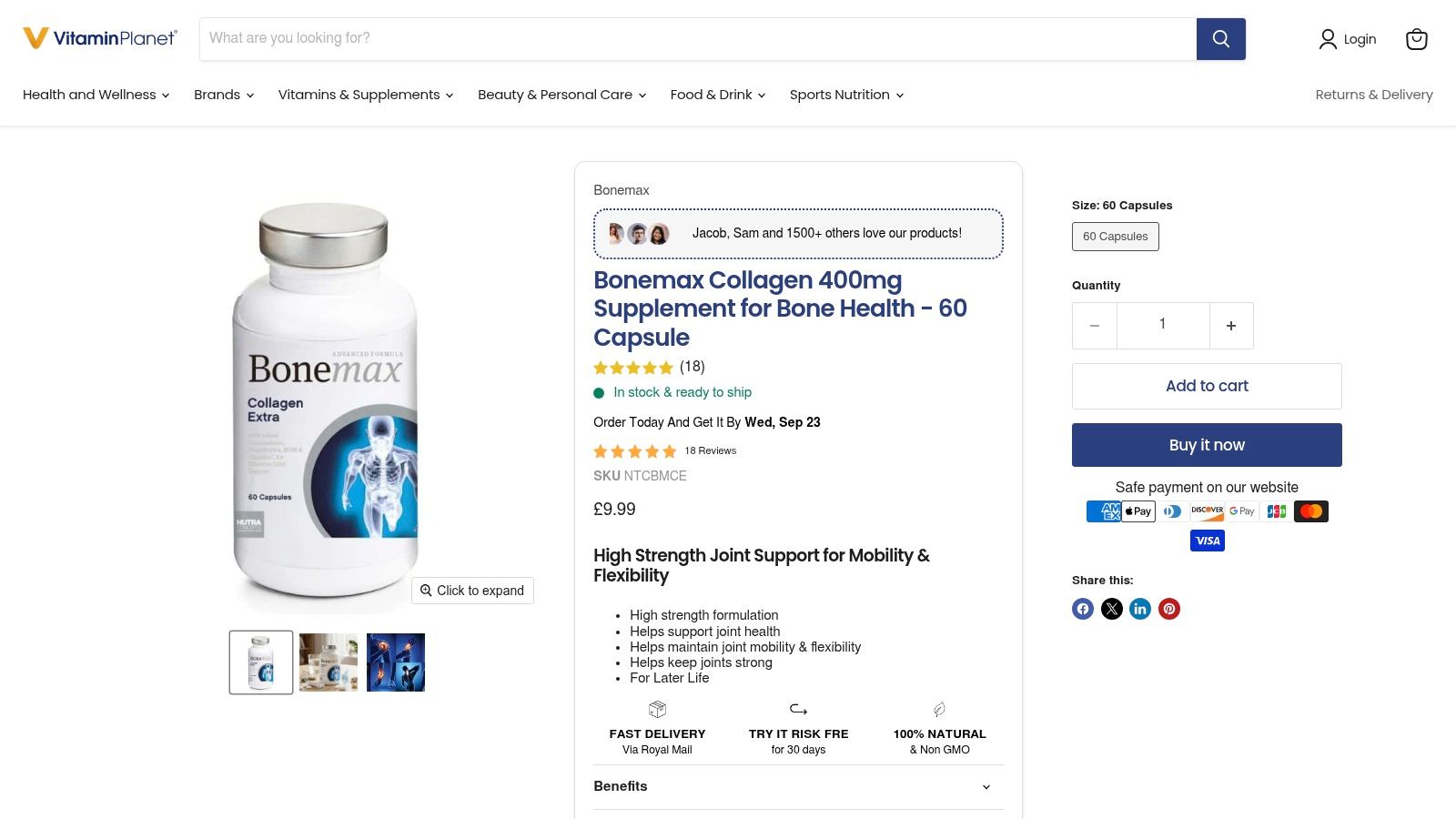
If your priorities have shifted from “general wellness” to “how do I support my bones and joints now?”, your supplement shortlist usually changes too. This is one of the biggest gaps in standard roundups of the best multivitamins for perimenopause. Many lists stay broad, even though bone-health needs become more relevant in midlife.
Bonemax Collagen 400mg Supplement for Bone Health - 60 Capsule is positioned around joint support, mobility, flexibility, and later-life use. The catalogue snapshot describes it as a high-strength formulation that helps support joint health, helps maintain joint mobility and flexibility, and helps keep joints strong. It comes in one variant, with availability data shown in the catalogue.
Why bone support deserves separate attention
In UK menopause guidance, vitamin D and calcium are the nutrients that come up most consistently. National and regional NHS advice referenced in the North East and North Cumbria menopause guidance highlights 10 micrograms of vitamin D daily and a calcium intake target of 700mg per day for adults, with some osteoporosis-focused guidance raising calcium targets to 1,000 to 1,200mg in women with low bone density or on bone-protective therapy. That tells you something important about shopping in this category.
A product marketed for bones or joints isn't automatically a multivitamin, and a multivitamin isn't automatically enough for bone-health goals. Calcium is often missing or present in modest amounts in general formulas. Collagen products may serve a different role again.
Bone and joint support products work best when you read them as part of a bigger picture. Food intake, vitamin D status, sunlight exposure, and any prescribed treatment still matter.
That's why this option is best seen as a specialised choice for someone who is thinking about mobility and structural support, not as a replacement for checking calcium and vitamin D adequacy.
How to compare this with a multivitamin
The quickest mistake is to compare a bone-support product with a general multivitamin as if they were direct substitutes. They usually aren't.
- If your priority is bone health: Check whether your current multivitamin already includes vitamin D, then ask whether your diet reaches your calcium target.
- If your priority is joints and flexibility: A product like this may fit better than a broad-spectrum vitamin, because the intended use is different.
- If you want one product to do everything: Slow down and read the panel. Bone-support marketing often doesn't mean full multivitamin coverage.
- If you follow dietary restrictions: Review whether the formula still fits the rest of your routine, especially if you're also using standalone minerals.
For practical background on calcium intake and food choices, Vitamin Planet has a related article on boning up on calcium. That's a useful companion when you're deciding whether a product adds to your routine or duplicates what you already take.
The useful question to ask before buying
The best question isn't “Is this the best product for perimenopause?” It's “Am I trying to cover nutritional basics, or am I choosing something more targeted for bone and joint support?”
UK market direction also supports more targeted shopping. Analysis of the UK supplement category suggests women 50+ blends and prenatal or postnatal products have been growing at roughly 8 to 12% annually, compared with 2 to 4% for general adult formulations. That doesn't prove that any individual product is better. It does show that life-stage and purpose-specific formulas are becoming more relevant than generic adult multis.
This makes Bonemax easier to place. It's not trying to be everything. It makes most sense for someone who wants a later-life support product and is willing to do the extra work of checking whether vitamin D and calcium are already handled elsewhere.
3. METABURN 60 Capsules
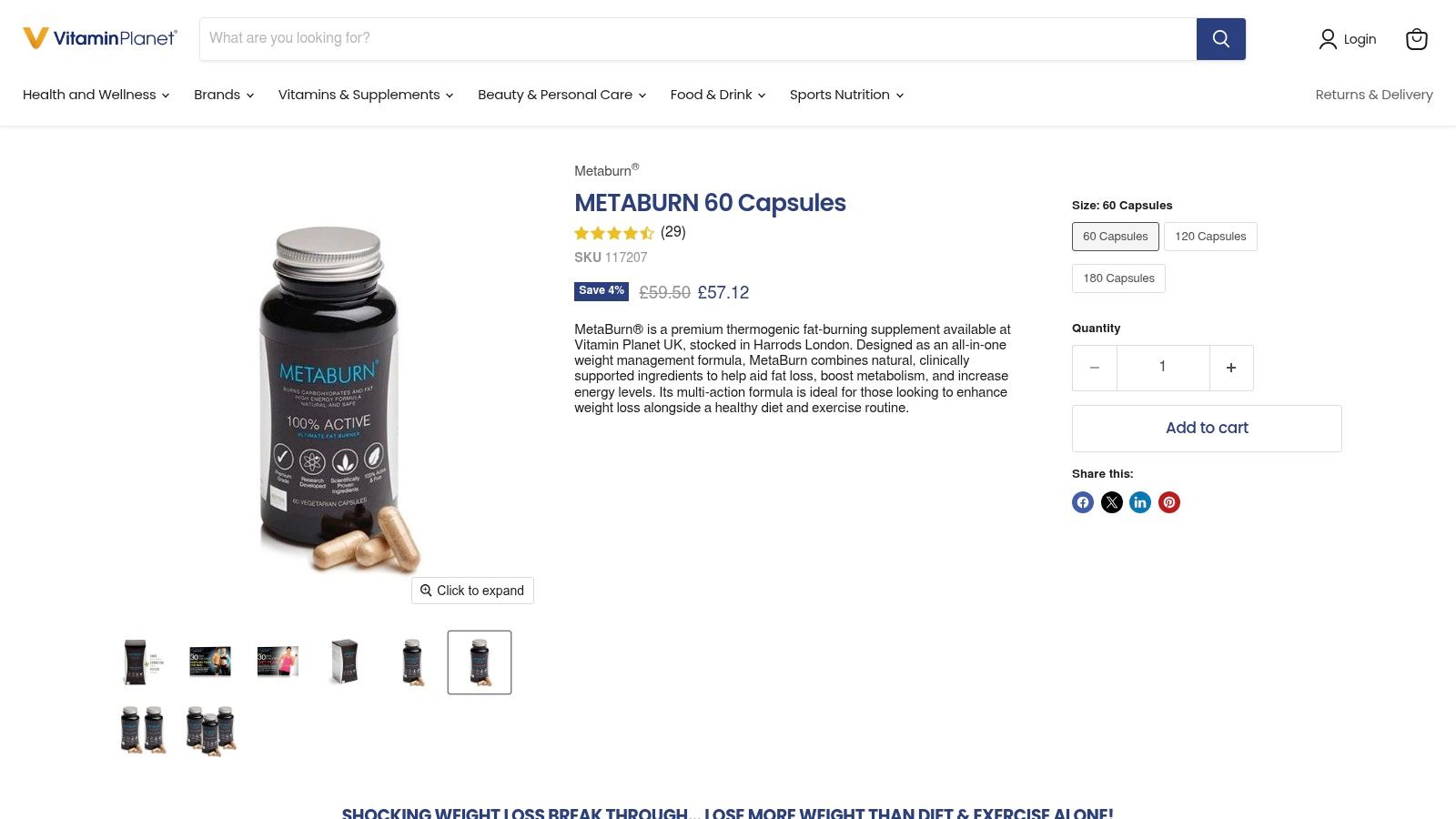
Weight-change worries often send people into the same search bar as vitamin questions. That's understandable, but it can blur categories very quickly. A metabolism or weight-management formula is not a multivitamin, even if it sits nearby in your supplement cupboard.
METABURN 60 Capsules is described in the plan notes as a weight-management formula designed to help aid fat loss, boost metabolism, and increase energy levels alongside a healthy diet and exercise routine. The catalogue details provided here confirm that it has three variants across option sets, with availability data shown for three variants. That makes it the most choice-led option in this roundup, which may appeal if you want flexibility within the same product family.
Why this category needs the most caution
Perimenopause shoppers often hope one product will address weight shifts, energy dips, and hormone-related symptoms in one go. That's where expectations can drift away from the evidence. UK-focused guidance and analysis point in a different direction. The distinction is between nutritional support and symptom-specific treatment.
A recent UK review of practical supplement advice notes that standard multivitamins may underdeliver on the nutrients most relevant to midlife, while shoppers are often better served by a dose-led approach that separates core nutrients from optional add-ons, as discussed in this Curate Health guide to perimenopause supplements and evidence. In other words, if you're mainly worried about weight management, you still need to ask whether your baseline nutrition is in place.
Reality check: A metabolism product may fit a diet and exercise routine. It doesn't replace checking vitamin D intake, overall diet quality, or medical advice for persistent symptoms.
This is particularly relevant in perimenopause because many people searching for the best multivitamins for perimenopause are not really looking for a multivitamin at all. They're looking for help with body-composition changes, reduced energy, or routine drift.
How to use this kind of product responsibly
A weight-management product sits in a different decision tree from a bone-support or cognitive-support formula. Read it through that lens.
- Match it to your actual goal: If your main aim is metabolism support, compare METABURN with other weight-management products, not with general multis.
- Check for overlap: If you're already using caffeine-containing or stimulant-style products, review the full label before adding anything else.
- Keep symptom claims in perspective: A product designed for metabolism isn't a stand-in for evidence-based treatment of hot flushes or night sweats.
- Follow serving guidance exactly: More capsules won't make a product more suitable.
Vitamin Planet also has a related article on how diet and lifestyle factors influence your metabolism, which can help frame supplements as one part of a wider routine rather than the whole answer.
Where it fits for perimenopause shoppers
This option works best for someone whose perimenopause shopping has a strong lifestyle-management angle. You might be revisiting exercise, meal structure, and energy habits, and you want a supplement that sits inside that plan. It makes less sense if your primary question is whether you need a midlife multivitamin with vitamin D, calcium awareness, or broad micronutrient cover.
That distinction matters because supplement use for symptom management is already mainstream. In Scotland, 35% of people who had experienced menopause or perimenopause symptoms reported using vitamins, minerals or supplements to manage them in 2024, and 76% used at least one management approach overall. Adoption is high, but popularity doesn't make categories interchangeable. A metabolism formula can be a reasonable fit for one goal while being the wrong tool for another.
Top 3 Perimenopause Supplement Comparison
| Product | Implementation Complexity 🔄 | Resource Requirements ⚡ | Expected Outcomes ⭐ / 📊 | Ideal Use Cases 💡 | Key Advantages ⭐ |
|---|---|---|---|---|---|
| BrainQuick Brain Support Supplement (30 Capsules) | Low, simple daily capsule | Low, single daily dose, vegetarian | Moderate cognitive support; improved focus & mental energy 📊 | Students, remote workers, anyone seeking mild focus support 💡 | Natural vitamin/mineral blend; fast-absorbing; first-party product ⭐ |
| Bonemax Collagen 400mg (60 Capsules) | Low, routine supplement use 🔄 | Low–Moderate, regular dosing for cumulative effect ⚡ | Supports joint mobility and bone strength over time 📊 | Older adults, those with joint stiffness, preventative bone care 💡 | High-strength collagen formulation; targets mobility and flexibility ⭐ |
| METABURN 60 Capsules | Moderate, thermogenic formula; monitor tolerance 🔄 | Moderate–High, multi-action ingredients; best with diet/exercise ⚡ | Enhanced metabolism, increased energy, aids fat loss when combined with lifestyle changes 📊 | Weight management, active individuals seeking metabolic support 💡 | Clinically supported ingredients; multi-action thermogenic formula; premium positioning ⭐ |
Match the Formula to Your Routine
The most useful way to choose among the best multivitamins for perimenopause is to stop looking for a single winner and start with your main priority. If focus and mental sharpness are the issue, a targeted brain formula may make more sense than a broad multi. If you're thinking about later-life structure, mobility, or bone-health habits, a bone-support product belongs in a different category. If weight-management is top of mind, compare metabolism products on their own terms.
Then do the less glamorous but more important job. Read the Supplement Facts panel and compare it with what you already take. Check whether vitamin D is already covered, whether calcium is coming mostly from food, whether magnesium would duplicate another product, and whether iron is included when you don't need it.
One UK consumer survey reported that women experiencing perimenopause and menopause spend an average of £1,800 a year on products to manage symptoms, with 76% buying vitamins and minerals, 52% buying supplements, and 40% spending on hormone-support products. That's a strong reminder to buy with a clear purpose. A more targeted routine often beats a crowded one.
Follow the stated serving guidance. Don't assume a product labelled for brain, bone, or metabolism support covers every midlife nutrition need. These catalogue descriptions support different intended uses, not a blanket recommendation for every person in perimenopause. If symptoms are persistent, worsening, or concerning, speak to your GP or a qualified healthcare professional rather than relying on an everything-in-one-bottle approach.
Vitamin Planet offers a wide UK catalogue of vitamins, minerals, targeted supplements, and daily wellness products, so it's easier to compare broad multivitamins with more specific options for focus, bone support, and weight-management routines in one place. If you're refining your supplement cupboard for perimenopause, visit Vitamin Planet to review product labels, formats, and related health categories before you buy.